Toxic shock syndrome (TSS) is a rare but serious condition caused by toxins from certain bacteria, most often Staphylococcus aureus. It is best known for its link to tampons, but it can also occur with other objects left inside the body for long periods, wounds and surgery. Sex toys are not a common cause of TSS, but the same principles that reduce TSS risk also make toy use safer: choose non-porous materials, clean toys after every use and never leave insertable toys inside the body longer than recommended.
When most people hear “toxic shock syndrome,” they think of tampons. That connection is real, but it is not the full picture. TSS is about bacteria, toxins and conditions that allow bacteria to grow, which is why understanding it helps you make smarter, safer choices with any internal product, including sex toys.
This guide explains TSS clearly and calmly, without fear-mongering. You will learn:
- What TSS actually is
- How it relates to sex toy use
- Which materials carry more risk
- Cleaning habits that reduce risk
- The warning signs to watch for
Important: This article is for general education and is not medical advice. If you think you or someone else may have TSS, seek emergency care immediately by calling 911.
What TSS Actually Is
Toxic shock syndrome is a rare, potentially life-threatening reaction to toxins released by certain bacteria. These toxins enter the bloodstream and trigger a strong immune response that can affect multiple organs quickly.
The Bacteria Behind TSS
| Bacteria | Type of TSS | Common sources |
|---|---|---|
| Staphylococcus aureus (staph) | Staphylococcal TSS | Tampons, menstrual products left in too long, nasal packing, wounds, surgery |
| Streptococcus pyogenes (group A strep) | Streptococcal TSS | Skin infections, wounds, after surgery or childbirth |
Staph bacteria commonly live on the skin and in the nose without causing harm. Problems happen when they multiply in the right conditions and produce toxins.
Who Can Get TSS?
Anyone can develop TSS, regardless of gender or age. Cases are often grouped into two types:
| Type | Associated with |
|---|---|
| Menstrual TSS | Tampons, especially high-absorbency ones left in for long periods; less commonly menstrual cups or discs |
| Non-menstrual TSS | Wounds, burns, surgery, nasal packing, childbirth, contraceptive sponges or diaphragms left in too long |
How Rare Is It?
TSS is rare. Public health awareness and changes to tampon design since the 1980s have reduced cases significantly. Still, because it can become serious quickly, knowing the signs matters.
Why Conditions Matter
Bacteria thrive when they have:
- Time to multiply
- Moisture and warmth
- A trapped environment, such as an object left inside the body
- Small tissue injuries that allow toxins to enter the bloodstream
These factors help explain why some objects carry more risk than others.
How It Relates to Toy Use
There is little evidence that sex toys are a common cause of TSS. However, sex toys can carry and transfer bacteria, and some of the same risk factors that apply to tampons and menstrual products can apply to toys in rare situations.
Where Theoretical Risk Comes From
| Factor | Why it matters |
|---|---|
| Toys left inside the body for long periods | Creates a trapped, warm environment where bacteria can multiply |
| Porous materials | Can harbor bacteria even after washing |
| Poor cleaning or storage | Allows bacteria to build up between uses |
| Small tears from friction | Can create entry points for bacteria and toxins |
| Using toys while a tampon or cup is in place | Can push products deeper or increase irritation |
Toys Worn for Long Periods
Some toys are designed to be worn, such as vaginal balls, plugs or wearable vibrators. For these:
- Follow the manufacturer’s time limits.
- Avoid wearing internal toys for many hours or overnight unless the product specifically says it is safe.
- Remove and clean the toy before reinserting.
Menstruation and Toy Use
Using toys during a period is generally fine, but take extra care:
- Remove tampons, cups or discs before using an insertable toy.
- Clean toys thoroughly afterward.
- Use condoms on toys if you prefer easier cleanup.
More Common Toy-Related Infections
TSS is rare. More common issues linked to unclean toys include:
| Infection | Common cause |
|---|---|
| Bacterial vaginosis (BV) | Disrupted vaginal bacteria, sometimes from unclean toys or moving from anal to vaginal use |
| Yeast infections | Moisture, sugary lubes, disrupted balance |
| Urinary tract infections (UTIs) | Bacteria moved toward the urethra |
| Skin irritation | Harsh cleaners, fragrances or porous materials |
The good news: the same habits prevent all of these.
Materials That Carry More Risk
Material plays a big role in toy hygiene. Non-porous materials can be cleaned thoroughly, while porous materials can trap bacteria in microscopic pores.
Material Risk Comparison
| Material | Porous? | Can be fully sanitized? | Hygiene risk |
|---|---|---|---|
| Platinum silicone | No | Yes | Low |
| Glass | No | Yes | Low |
| Stainless steel | No | Yes | Low |
| ABS hard plastic | No | Mostly, cannot be boiled | Low |
| PVC | Often semi-porous, especially soft PVC | Not fully | Moderate |
| TPE or TPR | Yes | No | Higher |
| Jelly rubber | Yes | No | Higher |
| Latex rubber | Varies | Not fully, can cause allergies | Moderate to higher |
Why Porous Materials Matter
Porous materials have tiny pores where bacteria can hide, even after washing. Over time, bacteria can build up, and the material can break down, becoming sticky or developing odors. This makes porous toys harder to keep hygienic, especially for internal use.
Why Platinum Silicone Is the Safer Choice
Platinum silicone is non-porous, hypoallergenic and can be sanitized. It does not absorb bacteria, fluids or odors. Every RealCock dildo is made from FDA-grade platinum-cured silicone, tested for biocompatibility to ISO 10993 and free from phthalates. Learn more in our guide to platinum silicone sex toys.
If You Own Porous Toys
- Use a condom over the toy every time.
- Do not share porous toys between partners.
- Replace them when they become sticky, smelly or discolored.
- Consider upgrading to non-porous silicone for internal use.
Cleaning Habits That Reduce Risk
Consistent cleaning is one of the simplest ways to lower the risk of infections, including the rare risk of TSS.
The Everyday Cleaning Routine
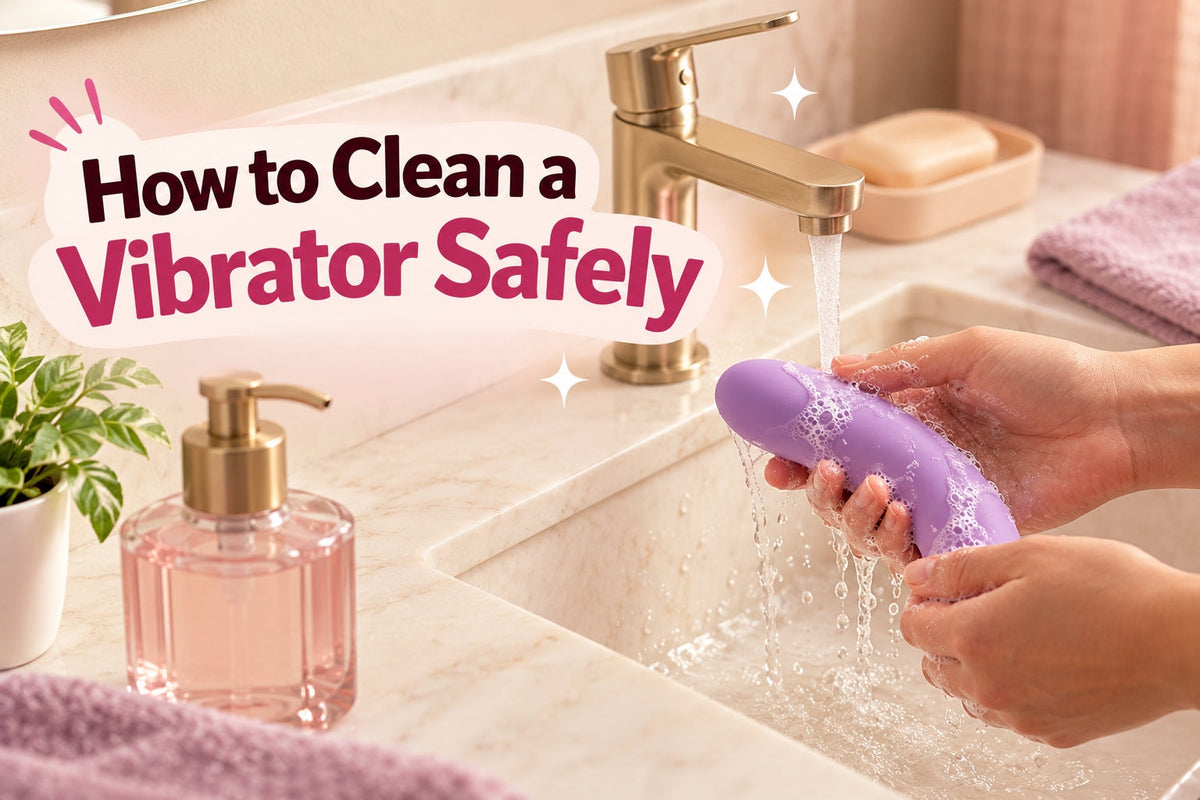
- Clean before first use. New toys can carry residue from manufacturing and shipping.
- Clean after every use, right away.
- Rinse with warm water.
- Wash with mild, unscented soap, paying attention to texture and the base.
- Rinse thoroughly so no soap residue remains.
- Dry completely with a clean, lint-free towel and let it air dry.
- Store separately in a clean pouch.
For a full material-by-material guide, read how to clean sex toys properly.
Deep Cleaning Non-Porous Toys
Non-vibrating platinum silicone toys can often be sanitized by boiling for a few minutes or using the top rack of a dishwasher without detergent, if the product’s care instructions allow. Never boil or dishwash toys with motors, batteries or heating elements.
Habits That Lower Risk
| Habit | Why it helps |
|---|---|
| Wash hands before and after play | Reduces bacteria transfer |
| Never move a toy from anal to vaginal use without washing | Prevents spreading gut bacteria |
| Use condoms on toys when sharing | Adds a barrier |
| Use plenty of lube | Reduces friction and tiny tears |
| Use water-based lube with silicone toys | Protects the toy surface |
| Avoid sugary or scented lubes | Reduces irritation and yeast risk |
| Do not leave internal toys in for long periods | Avoids trapped environments |
| Store toys dry and separate | Prevents bacterial growth |
| Replace worn or damaged toys | Damaged surfaces trap bacteria |
Lube and Safety
Lube reduces friction, which reduces tiny tears in delicate tissue. Our Water-Based Lube is safe with silicone toys and suitable for vaginal, oral and anal use.
Storage Matters
A clean toy can pick up bacteria if it is stored damp or dirty. Store each toy completely dry in its own pouch. Browse our storage bags.
Menstrual Product Habits
Because tampons are a major TSS risk factor, these habits also matter:
- Use the lowest absorbency tampon needed.
- Change tampons regularly, following package directions.
- Do not leave tampons, cups or discs in longer than recommended.
- Alternate with pads when possible, such as overnight.
Warning Signs to Watch For
TSS symptoms usually appear suddenly and can worsen quickly. If you notice these signs, especially after using a tampon, menstrual cup, contraceptive device, internal toy or after surgery or a skin wound, seek emergency care right away.
Key Symptoms
| Symptom | Description |
|---|---|
| Sudden high fever | Often 102°F (38.9°C) or higher |
| Low blood pressure | Dizziness, fainting or lightheadedness |
| Rash | A red, sunburn-like rash, often on the palms and soles |
| Vomiting or diarrhea | Sudden stomach upset |
| Muscle aches | Widespread pain |
| Confusion | Disorientation or unusual behavior |
| Red eyes, mouth or throat | Redness of mucous membranes |
| Headache | Often severe |
| Seizures | In severe cases |
| Peeling skin | Especially on palms and soles, often 1 to 2 weeks later |
What to Do
- Call 911 or go to the emergency room immediately.
- Remove any tampon, cup, disc, sponge or internal toy if you can do so easily.
- Tell medical staff what was inside your body and for how long.
- Do not wait to see if symptoms improve.
Other Warning Signs to Take Seriously
Even if it is not TSS, see a healthcare provider if you notice:
- Unusual discharge or odor
- Burning or itching that does not go away
- Pain during or after toy use
- Bleeding that is unexpected
- A toy or object that cannot be removed
When to Replace a Toy
Replace a toy if it is:
- Sticky, tacky or oily
- Discolored or cloudy
- Cracked, torn or chipped
- Smelly even after washing
For more on safe toy care, see our realistic dildo safety and care guide.
Stay Safe, Stay Informed
Toxic shock syndrome is rare, and sex toys are not a common cause. But the same principles that protect against TSS keep your toy use safer overall: choose non-porous materials like platinum silicone, clean toys after every use, use plenty of lube, never leave internal toys or menstrual products in longer than recommended, and know the warning signs. If symptoms ever appear, seek emergency care immediately.
All RealCock Toys orders ship in plain, unmarked packaging with discreet billing, and orders over $99 ship free.